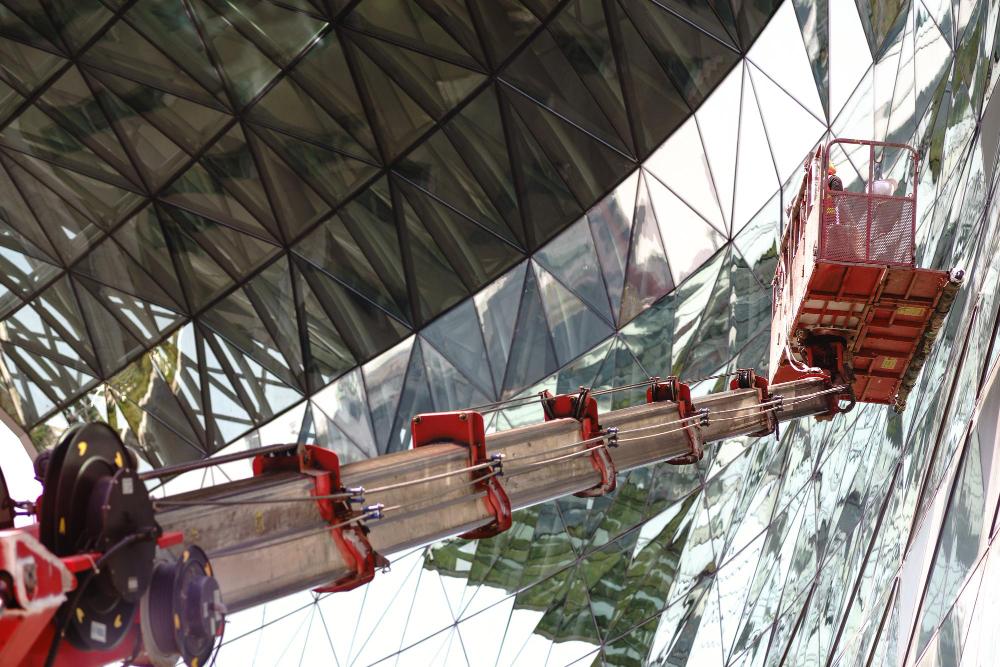
Cranes are indispensable on modern construction sites, serving as the backbone for lifting and material handling. Their versatility and power make them essential for projects of all sizes, from small renovations to massive infrastructure developments. However, with a vast array of crane types available, selecting the right machine can be complex. The right choice ensures safety, maximizes efficiency, and optimizes costs.
This comprehensive guide explores the different types of cranes, their specific applications, and the critical factors to consider when making this crucial decision.
Key Factors for Selecting the Right Crane
Before choosing a crane, a thorough evaluation of project-specific requirements is essential. Here are the key factors to consider:
1. Maximum Lifting Capacity
The most fundamental consideration is determining the heaviest load that needs lifting, including rigging and lifting accessories. The selected crane must have sufficient lifting capacity with a substantial safety margin. Load charts should be carefully examined, as lifting capacity varies with boom length and lifting radius. Exceeding a crane’s rated capacity is extremely dangerous and can lead to catastrophic accidents.
2. Required Lift Height
The maximum vertical distance the load needs to be lifted influences the required boom length and crane type. It’s crucial to account for current project requirements and potential future needs, as construction projects often evolve.
3. Horizontal Reach (Radius)
Understanding how far the load needs to be moved horizontally from the crane’s center point is essential. This is particularly important when working in confined spaces or when materials need to be placed at a distance.
4. Site Conditions and Accessibility
A thorough site assessment is crucial. Factors to evaluate include:
-
Terrain (level, sloped, or uneven)
-
Ground conditions (soil stability and load-bearing capacity)
-
Accessibility for crane delivery, setup, and operation
-
Overhead obstructions (power lines, trees, buildings)
-
Road conditions for transportation
For soft or uneven ground, rough terrain or crawler cranes are ideal.
5. Project Duration and Cost
For short-term projects, renting is the most cost-effective solution. However, for long-term projects, leasing or purchasing may be an option. Ownership comes with additional responsibilities, such as maintenance, storage, insurance, and depreciation.
Cost considerations should include:
-
Rental or purchase fees
-
Operator wages
-
Fuel consumption
-
Transportation and setup costs
-
Permits and compliance expenses
6. Regulatory Compliance and Safety
Adherence to local, regional, and national safety regulations is non-negotiable. The crane, rigging equipment, and operators must be certified and compliant with safety standards. Safety should be a priority from pre-lift planning to execution.
7. Availability and Lead Times
Check crane availability and factor in lead times for delivery, setup, and permits. Booking in advance is crucial, especially for high-demand models or specialized equipment.
Crane Types and Their Applications
Understanding the different crane types helps in making an informed decision. Here are the most common types and their applications:
1. Tower Cranes
Description: Tower cranes are tall, fixed cranes with a vertical mast and a horizontal jib. They are a staple in high-rise construction.
Applications:
-
Skyscraper construction
-
Large bridges and dams
-
Infrastructure projects requiring high lifting capacity
Advantages:
-
High lifting capacity
-
Extensive reach and precise load placement
-
Covers a large area from a single location
Disadvantages:
-
Complex and time-consuming setup and dismantling
-
Requires a strong foundation
-
Limited mobility
2. Mobile Cranes
Mobile cranes are versatile and maneuverable, making them ideal for various applications. They include:
a) Truck-Mounted Cranes
Mounted on a truck chassis, these cranes can travel on roads without special permits (in most cases).
Best for: Short-term projects requiring frequent relocation.
b) Rough Terrain Cranes
Equipped with large tires and four-wheel drive, these cranes are ideal for off-road use on uneven terrain.
Best for: Construction, mining, and industrial applications in challenging conditions.
c) Crawler Cranes
Operating on tracks instead of wheels, crawler cranes provide excellent stability and weight distribution.
Best for: Heavy lifting in large-scale projects like bridge construction and wind farm installations.
d) All-Terrain Cranes
Combining the mobility of truck-mounted cranes with off-road capabilities, all-terrain cranes are highly versatile.
Best for: Projects requiring both highway travel and off-road operation.
3. Other Specialized Cranes
a) Overhead Cranes (Bridge Cranes)
These cranes move along a fixed track in factories, warehouses, and manufacturing plants for efficient material handling.
b) Gantry Cranes
Supported by legs running along the ground, gantry cranes are used in shipyards, ports, and industrial settings.
c) Floating Cranes
Mounted on barges or pontoons, floating cranes are essential for marine construction, salvage, and port operations.
Making the Right Choice – Partnering with Experts
Selecting the right crane is a crucial decision impacting project timelines, budgets, and safety. A thorough assessment of your project’s unique requirements is essential.
At Top Notch Equipment Rental LLC, we provide expert guidance and a wide range of cranes tailored to your needs. Our team can assist with:
-
Site surveys
-
Lift planning
-
Rigging design
-
Compliance with safety regulations
Contact Top Notch Equipment Rental LLC today to discuss your project and ensure you have the right crane for the job. Experience the difference that professional expertise and top-quality equipment can make!